Unlocking the Skies: The Importance of Ecole Aerien in Modern Aviation
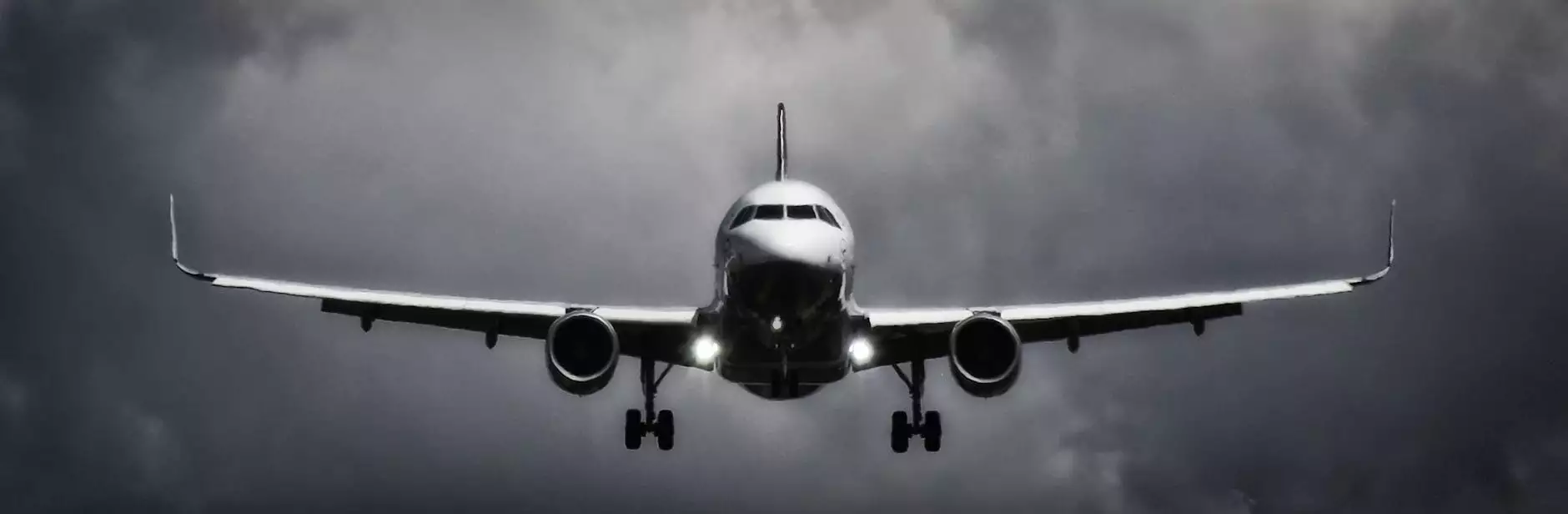
The aviation industry is a vast and intricate network, and at its heart lies the training institutions that prepare the next generation of aviators. The ecole aerien serves as a vital component in this ecosystem, providing essential training for pilots and crew members. This article explores the significance of these air schools, detailing their impact on prospective aviation professionals, the airlines they serve, and the wider aviation services industry.
Understanding the Role of Ecole Aerien
An ecole aerien is not merely an educational facility; it is a breeding ground for excellence in aviation. These institutions focus on various aspects of flight instruction, ensuring that students receive hands-on training backed by theoretical knowledge.
Core Components of Flight Instruction
Within an ecole aerien, flight instruction encompasses several key elements, including:
- Theoretical Knowledge: Students learn the fundamentals of aviation, including aerodynamics, meteorology, air navigation, and regulations.
- Practical Flight Training: Instructors guide students through real flight experiences, utilizing flight simulators and actual aircraft.
- Safety Protocols: Emphasizing the importance of safety, these schools train students on emergency procedures and ensuring passenger safety.
- Soft Skills Development: Communication, teamwork, and leadership are integral to becoming successful in aviation. Ecole aerien focuses on these soft skills.
The Importance of Ecole Aerien for Future Pilots
For aspiring pilots, entering an ecole aerien is a crucial step toward achieving their dreams. The aviation world is competitive, and having a solid educational foundation gives them an edge. Here are several reasons why attending an ecole aerien is essential for future pilots:
1. Comprehensive Curriculum
An ecole aerien offers a well-structured curriculum that covers all necessary areas for pilot training. From learning the physics of flight to understanding complex navigation systems, these programs ensure students are well-prepared for the challenges they will face in the cockpit.
2. Experienced Instructors
One of the standout features of ecole aerien is the ability to learn from seasoned professionals. Many instructors have substantial flying experience and bring real-world insights into their teaching methods, enriching the educational experience for students.
3. Networking Opportunities
Attending an ecole aerien provides invaluable networking opportunities. Students often connect with industry professionals, gaining critical contacts that can lead to job placements in their future careers.
Impact on Airlines and the Aviation Industry
The presence of ecole aerien has profound implications for airlines and the broader aviation industry. These schools not only prepare pilots but also contribute to the overall health and safety of air travel.
1. Supply of Qualified Personnel
Airlines rely on ecole aerien to provide a steady stream of well-trained pilots and crew members. This supply is critical as many airlines struggle with pilot shortages, making high-quality training institutions essential for the industry's growth.
2. Safety and Protocol Adherence
Safety is paramount in aviation. By adhering to rigorous training protocols, ecole aerien ensures that pilots understand and implement safety measures effectively, contributing to the overall safety record of airlines.
3. Innovation and Technology Integration
Today's ecole aerien incorporates the latest technology into their training programs. Flight simulators, virtual reality exercises, and advanced navigation systems prepare tomorrow's pilots for modern aircraft, ensuring they are equipped to handle technological advancements in aviation.
The Broader Scope of Aviation Services
Aviation is not just about flying; it encompasses a spectrum of services that support air travel. Here’s how ecole aerien fits into this broader context:
1. Air Traffic Control Training
For every pilot, there’s an air traffic controller ensuring safe navigation through busy airspaces. Many ecole aerien offer specialized programs that train students in air traffic management, preparing them to work in control towers and handle high-pressure situations.
2. Ground Crew Education
Ground crew plays a pivotal role in the safe operation of flights. Through their training programs, ecole aerien educate future ground personnel in aircraft handling, maintenance basics, and customer service skills.
3. Customer Service Skills for Cabin Crew
Cabin crew training is another vital aspect of the ecole aerien. Students learn skills necessary for providing exceptional customer service—an area that significantly affects passengers' travel experiences. Training in conflict resolution, emergency procedures, and hospitality helps create a skilled and effective cabin crew.
Conclusion: The Future of Ecole Aerien in Aviation Training
As the aviation industry continues to evolve, so too must the ecole aerien. Future developments in training methods, technology integration, and curriculum developments will shape how these institutions operate.
With a commitment to producing highly qualified pilots and aviation professionals, ecole aerien will remain a cornerstone of the aviation industry, ensuring safe and efficient travel for decades to come. Their role is not just limited to education; it is about building a future where more individuals can achieve their dreams of soaring through the skies. The passion and dedication fostered within these schools will continue to flow into the cockpit, ground operations, and service areas of the aviation landscape.