Multiplayer Centered Porting: A New Era in Game Development
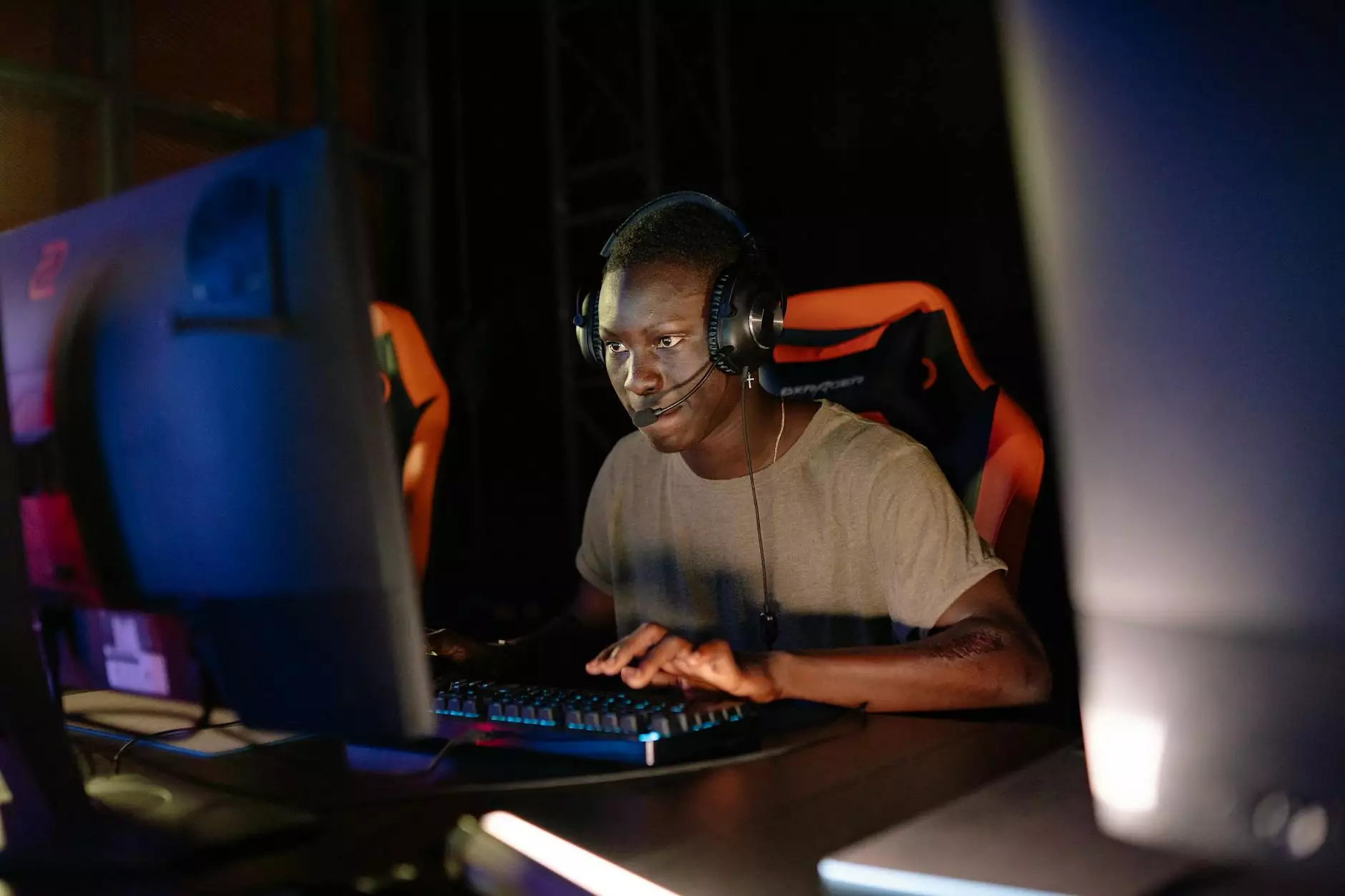
In the realm of game development, the term "multiplayer centered porting" has emerged as a significant concept, revolutionizing how games are adapted for different platforms. This article delves deep into its implications, advantages, and how it is shaping the future of gaming.
Understanding Multiplayer Centered Porting
At its core, multiplayer centered porting refers to the process of adapting a game primarily with a focus on its multiplayer functionalities. This entails ensuring that the social aspects of gaming, such as interaction with friends, online collaboration, and competitive play, are seamlessly integrated and optimized across various platforms.
As technology evolves, the demand for multiplayer experiences that bring gamers together from all corners of the globe has skyrocketed. Players expect to connect regardless of the device they are using, whether it's a console, PC, or mobile. This has necessitated a shift in how developers approach porting their games to different platforms.
The Rise of Multiplayer Gaming
The gaming industry has witnessed a colossal rise in multiplayer gaming over the past decade. Statistics show that a vast majority of players prefer games that offer a robust multiplayer component. Here are some key reasons why this trend is dominant:
- Community Engagement: Games that offer multiplayer options foster a sense of community among players, enhancing their gaming experience.
- Competitive Edge: Multiplayer games often involve competition, appealing to players’ desire for challenge and achievement.
- Social Interaction: Online gaming creates opportunities for socialization, allowing players to connect with friends or make new ones.
- Diverse Gameplay: The dynamics of multiplayer gaming lead to varied gameplay experiences, as interactions with other players can change the outcome of a game.
The Challenges of Porting Games for Multiplayer
Transitioning a predominantly single-player game into a multiplayer-centered experience, or porting an existing multiplayer game between different platforms, presents distinct challenges:
- Technical Difficulties: Ensuring that all multiplayer functionalities work flawlessly across different hardware and software configurations can be technically demanding.
- Infrastructure Requirements: A robust server infrastructure is necessary to support online connections, which can be costly and complex to manage.
- Player Base Variations: Different platforms may have varied audiences, requiring tailored approaches to attract and maintain player engagement.
- Consistency and Balance: Maintaining a consistent experience and balance in gameplay across platforms is crucial, as disparities can lead to player dissatisfaction.
Why Multiplayer Centered Porting Matters
As the gaming landscape continues to evolve, multiplayer centered porting plays a critical role in ensuring that games remain relevant and engaging for audiences. Below are several reasons highlighting its significance:
1. Expanding Access and Reach
By focusing on multiplayer-centered porting, developers enable their games to reach a broader audience. When a game is accessible across multiple platforms, it attracts players who may not own a specific console or high-end gaming PC. This inclusivity not only enhances the player base but also boosts the game's overall success.
2. Enhanced User Experience
Modern gamers seek immersive experiences that connect them with others. By prioritizing multiplayer functionalities during porting, developers ensure that players can easily join friends and family in gameplay, creating a shared gaming environment that enhances overall enjoyment.
3. Future-Proofing Games
The gaming industry is rapidly advancing, and players are continually seeking the latest innovations. Games that utilize multiplayer centered porting not only remain relevant in the current market but are also better positioned for future updates and expansions. This adaptability allows games to evolve, ensuring longevity and sustained player interest.
Best Practices for Multiplayer Centered Porting
To successfully implement multiplayer centered porting, developers should consider the following best practices:
1. Prioritize Cross-Platform Compatibility
Ensuring that a game supports cross-platform play is crucial. This involves rigorous testing and optimization to allow players on different platforms to interact seamlessly.
2. Invest in Robust Server Solutions
Multiplayer experiences depend heavily on reliable server infrastructure. Investing in scalable, secure, and fast servers can greatly enhance the gameplay experience, reducing lag and technical issues.
3. Focus on User Interface Design
A well-designed user interface that accounts for the differences in control schemes across platforms can significantly enhance user experience. Developers should prioritize intuitive controls and ease of navigation.
4. Gather Player Feedback
Engaging with the player community throughout the porting process is vital. Gathering feedback allows developers to address pain points early and make necessary adjustments to improve the overall experience.
Case Studies of Successful Multiplayer Centered Porting
Several successful titles have leveraged multiplayer centered porting to great effect. Let's explore a couple of notable examples:
1. Fortnite
Epic Games’ Fortnite is a prime example of successful multiplayer porting. Originally launched as a cooperative survival game, it transformed into a global sensation with its Battle Royale mode, enabling multiplayer experiences across consoles, PCs, and mobile devices. Its successful implementation of cross-play has allowed players to interact regardless of the platform, fostering a massive community.
2. Rocket League
Rocket League also exemplifies effective multiplayer centered porting. The game allows players to engage in soccer-like matches with rocket-powered cars on multiple platforms. By prioritizing cross-platform play and continually optimizing for different devices, Psyonix has built a thriving online multiplayer community.
The Future of Multiplayer Centered Porting
As we look ahead, the importance of multiplayer centered porting is only expected to grow. Here are some trends that may define its future:
1. Increased Demand for Immersive Experiences
Players are continually clamoring for more immersive and engaging multiplayer experiences. Advances in technologies such as augmented reality (AR) and virtual reality (VR) are likely to play a major role in shaping the future of multiplayer gaming.
2. Cloud Gaming
Cloud gaming technology is becoming increasingly viable, allowing players to stream games without the need for powerful hardware. This could simplify the porting process enormously and expand access to multiplayer experiences.
3. Enhanced Community Features
Future games may incorporate even more advanced community features, enabling richer player interactions. This trend will further emphasize the necessity of effective multiplayer centered porting.
Conclusion
In summary, multiplayer centered porting is revolutionizing the way we think about game development and player engagement. By prioritizing the multiplayer experience during the porting process, developers can ensure that their games are accessible, immersive, and enduring in this rapidly evolving landscape. As technology continues to advance, those who embrace this change will undoubtedly lead the way in shaping the future of gaming.
At Pingle Studio, we understand the nuances of multiplayer centered porting and are committed to delivering exceptional game development services that cater to the demands of modern gamers. Let us help you bring your multiplayer game vision to life!