Understanding the Hysteroscopy Procedure in NY
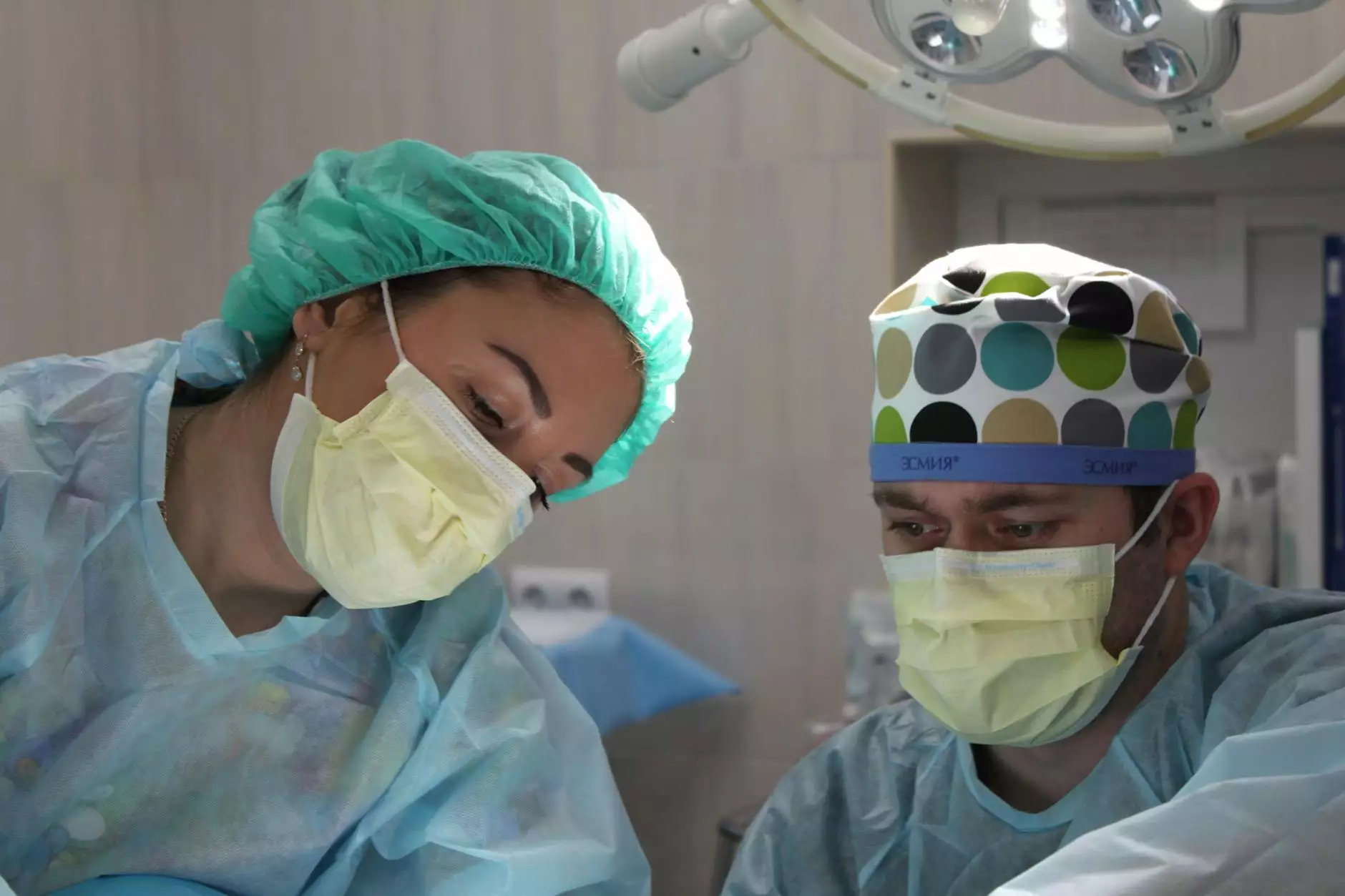
The hysteroscopy procedure in NY is a minimally invasive technique that allows physicians, particularly in the field of obstetrics and gynecology, to examine the inside of a woman's uterus for diagnostic and therapeutic purposes. This article will explore the intricacies of hysteroscopy, its benefits, preparation, procedure, recovery, and why choosing the right healthcare provider is crucial for optimal outcomes.
What is Hysteroscopy?
Hysteroscopy is a procedure that involves inserting a thin, lighted tube known as a hysteroscope through the vagina and cervix into the uterus. This technology has revolutionized the way gynecologists diagnose and treat various uterine conditions.
Types of Hysteroscopy
- Diagnostic Hysteroscopy: Used to identify issues within the uterus, such as abnormalities or irregularities. It’s typically performed in a doctor’s office and doesn’t require anesthesia.
- Operative Hysteroscopy: Involves surgical interventions to treat identified problems. This may include the removal of polyps or fibroids, division of adhesions, or sampling of uterine tissue.
Indications for Hysteroscopy
The hysteroscopy procedure is indicated for various conditions related to women's reproductive health, including:
- Abnormal Uterine Bleeding: Often a symptom of uterine disorders that require exploration.
- Uterine Polyps or Fibroids: Growths that can obstruct normal uterine function.
- Intrauterine Adhesions (Asherman’s Syndrome): Scarring inside the uterus that can affect fertility and menstrual cycles.
- Recurrent Miscarriages: Sometimes uterine abnormalities are identified as a cause of repeated pregnancy loss.
Preparing for the Hysteroscopy Procedure
Preparation is key to ensuring a smooth experience during a hysteroscopy procedure in NY. Patients are typically advised to follow these steps:
- Consultation: Discuss medical history and reasons for the procedure with your doctor.
- Pre-Procedure Testing: Routine blood tests and possibly imaging studies may be necessary.
- Avoid Certain Medications: Nonsteroidal anti-inflammatory drugs (NSAIDs) and blood thinners may need to be stopped before the procedure.
- Fasting: Some doctors may recommend fasting for a short period, especially if sedation is planned.
The Hysteroscopy Procedure
Understanding the steps involved in the hysteroscopy procedure can alleviate anxiety. Here’s what to expect:
1. Anesthesia
The procedure can be performed under local anesthesia, sedation, or general anesthesia, depending on the complexity and the patient's health.
2. Procedure Step-by-Step
- Positioning: The patient is positioned comfortably in a way that allows for optimal access to the pelvic area.
- Insertion: The doctor gently inserts the hysteroscope into the vagina and through the cervix into the uterus. A saline solution is often infused to expand the uterine cavity for better visualization.
- Examination: The doctor examines the interior of the uterus, looking for abnormalities.
- Intervention: If operative hysteroscopy is performed, instruments may be used to treat conditions identified during the examination.
Recovery After Hysteroscopy
Post-procedure recovery is generally quick, with most patients able to return home the same day. Here are some common recovery aspects to consider:
- Rest: Take it easy for the first day after the procedure.
- Pain Management: Mild cramping is common, and over-the-counter pain relief may be used.
- Monitoring: Watch for unusual symptoms such as heavy bleeding, severe pain, or fever, and contact your healthcare provider if they occur.
Benefits of Hysteroscopy
The benefits of undergoing a hysteroscopy procedure in NY are numerous:
- Minimally Invasive: Hysteroscopy is less invasive than traditional surgery, resulting in quicker recovery times.
- Diagnostic Accuracy: Provides a clear view of the uterine environment, aiding precise diagnosis.
- Treatment Capability: Many conditions can be treated during the same session, eliminating the need for multiple procedures.
- Focused Care: Personalized treatment plans can be devised based on findings during the procedure.
Risks and Considerations
It’s important to be aware of potential risks associated with hysteroscopy, although they are generally rare. These may include:
- Infection: The insertion of instruments into the uterus carries a risk of infection.
- Uterine Perforation: Rarely, the hysteroscope can puncture the uterine wall, necessitating further intervention.
- Heavy Bleeding: Some patients may experience significant bleeding that requires medical attention.
Choosing the Right Healthcare Provider
When considering a hysteroscopy, it’s essential to choose a qualified doctor who specializes in women's health. Here are some tips:
- Check Credentials: Look for board certification in obstetrics and gynecology.
- Experience: Inquire about the doctor’s experience with hysteroscopy procedures.
- Patient Reviews: Read testimonials from previous patients about their experiences.
Your Next Steps
If you’re considering undergoing a hysteroscopy procedure in NY, consult with a specialized healthcare provider to discuss your specific needs and concerns. Taking this proactive step in understanding your reproductive health can lead to enhanced well-being and quality of life.
Conclusion
The hysteroscopy procedure in NY is a valuable tool in modern gynecology, providing both diagnostic insight and treatment options with minimal invasiveness. By understanding the procedure's intricacies, benefits, and potential risks, patients can make informed decisions about their reproductive health. Partnering with experienced healthcare providers ensures that you receive the best care tailored to your unique needs.
hysteroscopy procedure ny