Understanding the Role of a Thoracic Dr: Expertise in Lung and Heart Health
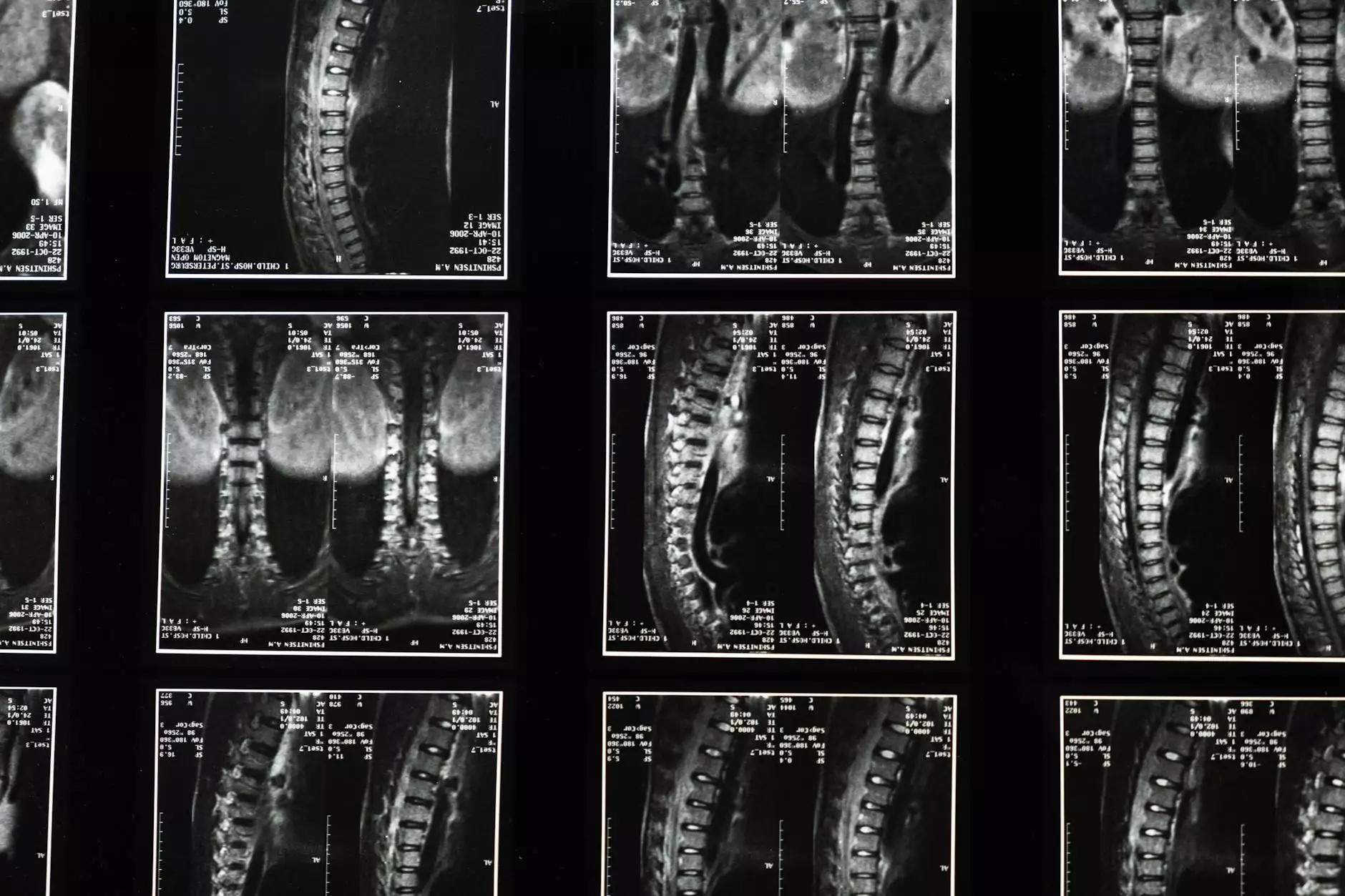
A thoracic dr, often referred to as a thoracic surgeon, is a highly specialized medical professional dedicated to diagnosing and treating conditions related to the thoracic cavity. This includes vital organs such as the lungs, heart, esophagus, and the major blood vessels. The significance of their role in healthcare cannot be overstated, particularly as they address complex issues that directly impact patient health and well-being.
The Importance of Thoracic Surgeons in Modern Medicine
Thoracic surgeons play a critical role in a range of medical settings, from hospitals to specialized clinics. Their involvement is crucial not only in surgical interventions but also in the pre-operative and post-operative care of patients. Understanding the breadth of their work helps highlight their essential contribution to healthcare.
Key Responsibilities of a Thoracic Dr
The responsibilities of a thoracic dr encompass a variety of tasks and specialties, including:
- Surgical Procedures: Conducting complex operations on the lungs, pleura, heart, esophagus, and major blood vessels.
- Diagnosis: Employing advanced imaging techniques and tests to accurately diagnose conditions such as lung cancer, emphysema, and heart issues.
- Patient Management: Overseeing the pre-operative assessment, surgical intervention, and post-operative recovery of patients.
- Collaboration: Working in conjunction with other specialists, including cardiologists, oncologists, and pulmonologists, to provide comprehensive care.
- Research and Education: Engaging in research to improve surgical techniques and patient outcomes, as well as educating patients and the community on thoracic health.
Conditions Treated by a Thoracic Dr
The range of conditions that a thoracic dr addresses is extensive. Some of the most common conditions include:
- Lung Cancer: Early diagnosis and surgical intervention can significantly improve survival rates.
- Chronic Obstructive Pulmonary Disease (COPD): Management of severe COPD, including surgery options like lung volume reduction.
- Esophageal Disorders: Conditions such as achalasia or esophageal cancer that require surgical correction.
- Congenital Heart Defects: Repairing structural heart defects in both children and adults.
- Trauma and Injuries: Surgical intervention for traumatic injuries to the chest or lungs.
Pathway to Becoming a Thoracic Dr
Becoming a thoracic surgeon requires a rigorous and comprehensive educational pathway:
- Undergraduate Education: Complete a bachelor’s degree, typically in a science-related field.
- Medical School: Earn a Doctor of Medicine (MD) or Doctor of Osteopathic Medicine (DO) degree.
- Residency Training: Complete a residency in general surgery, which typically lasts 5 years.
- Fellowship Training: Pursue additional fellowship training in thoracic surgery, lasting another 2-3 years.
- Board Certification: Obtain certification from the American Board of Thoracic Surgery (ABTS).
Technological Advancements in Thoracic Surgery
The field of thoracic surgery has seen remarkable advancements in technology and methodology, significantly transforming patient care:
- Minimally Invasive Surgery: Techniques like video-assisted thoracoscopic surgery (VATS) allow for smaller incisions, reduced pain, and quicker recovery times.
- Robotic Surgery: Utilizes robotic systems to enhance precision in surgical procedures and minimize human error.
- Advanced Imaging: Improvements in imaging technologies such as CT scans and MRIs enable better diagnosis and surgical planning.
- Enhanced Recovery Protocols: New strategies for post-surgical recovery are developed to optimize patient outcomes and minimize hospital stays.
Choosing the Right Thoracic Dr
Finding the right thoracic dr can be a daunting task. Here are some tips to help navigate this important decision:
- Check Credentials: Ensure your surgeon is board certified and has appropriate credentials.
- Experience Matters: Look for a thoracic surgeon with significant experience in treating your specific condition.
- Read Reviews: Patient testimonials can provide insight into the surgeon’s bedside manner and overall patient satisfaction.
- Consider Their Team: Assess the healthcare team supporting your surgeon, including nurses and specialists.
- Consultation: Schedule a consultation to discuss your condition, treatment options, and to get an overall feel for the practice.
The Role of Neumark Surgery in Thoracic Care
At Neumark Surgery, we pride ourselves on offering top-notch thoracic surgical services. Our team of experienced thoracic surgeons is dedicated to providing exceptional care tailored to each patient's unique needs. Here are some reasons to trust Neumark Surgery with your thoracic health:
- Comprehensive Care: We offer a full range of services, from diagnosis to surgical intervention and follow-up care.
- Cutting-Edge Technology: Our facility utilizes the latest surgical techniques and technology to ensure optimal outcomes.
- Patient-Centered Approach: We prioritize patient comfort and satisfaction, tailoring our approach to meet individual needs.
- Expert Team: Our surgeons have extensive experience and a record of successful outcomes in thoracic surgery.
Conclusion
A thoracic dr plays an indispensable role in the healthcare system, specializing in the treatment of some of the most critical and life-threatening conditions affecting the thoracic cavity. From lung cancer to heart surgeries, these skilled professionals combine their medical knowledge, surgical expertise, and cutting-edge technology to provide life-saving interventions. If you or a loved one is in need of thoracic care, consider consulting with a trusted thoracic surgeon who can guide you through the complexities of your condition and help you achieve the best possible outcome.
At Neumark Surgery, we are committed to excellence in thoracic healthcare, offering a blend of expertise and compassionate care that gives our patients the confidence they need to navigate their health challenges.