The Significance of Prototype Molded Parts in Modern Business
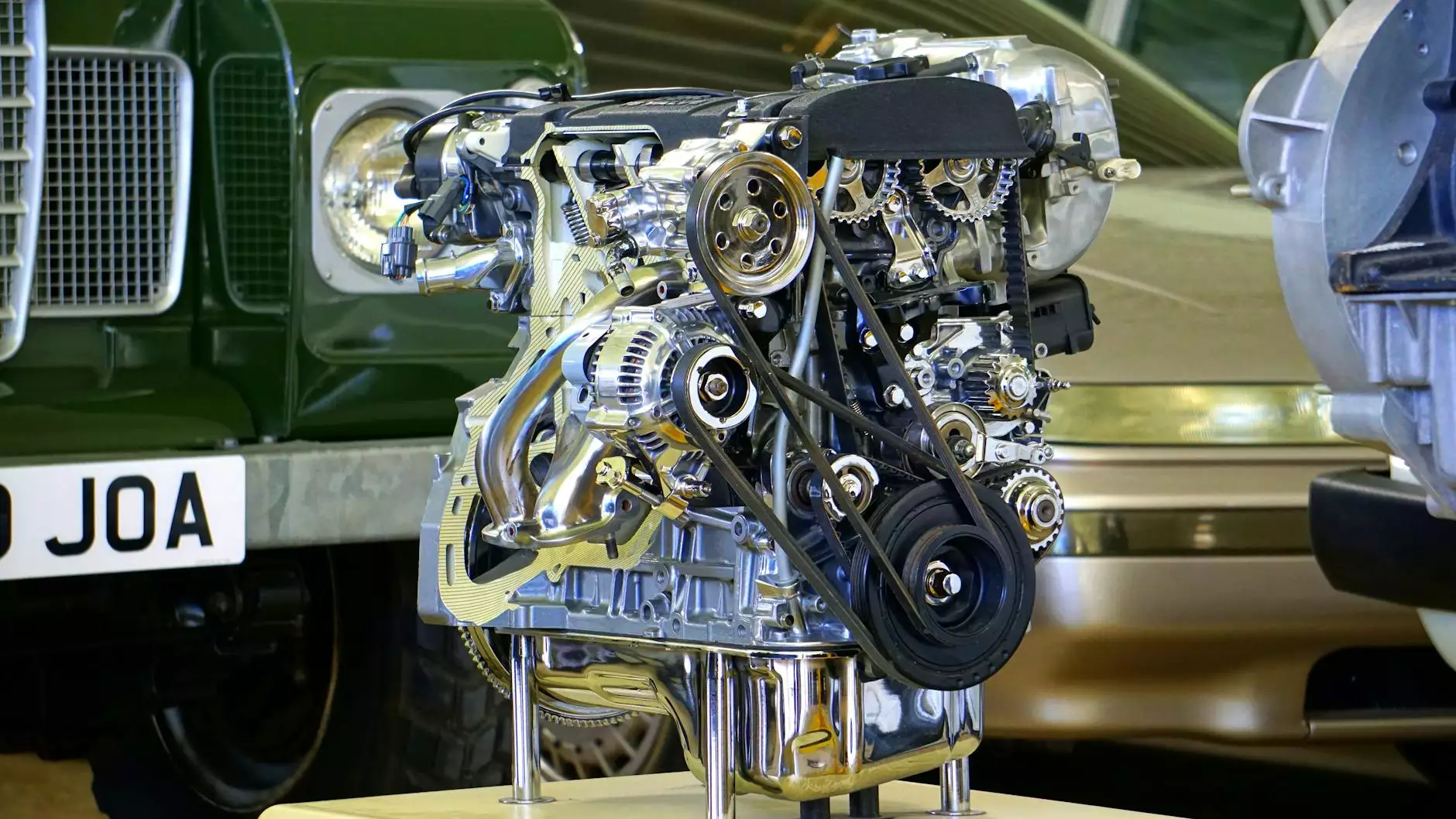
In today's fast-paced industrial landscape, the role of prototype molded parts has gained tremendous importance. This article delves deep into the significance of these components in the fields of metal fabrication and product development. By understanding the advantages and applications of prototype molded parts, businesses can enhance efficiency, foster innovation, and ultimately achieve sustainable growth.
Understanding Prototype Molded Parts
Prototype molded parts are essential components manufactured through various molding processes, including injection molding, blow molding, and rotational molding. They are primarily used in the early stages of product development, allowing designers and engineers to test, evaluate, and refine their designs before moving to full-scale production.
The primary goal of creating prototype molded parts is to streamline the product development cycle, minimize costs, and reduce the time to market. By using prototypes, businesses can identify potential issues—both functional and aesthetic—leading to improvements that enhance the product's overall effectiveness and market readiness.
Advantages of Using Prototype Molded Parts
The use of prototype molded parts offers numerous advantages that are crucial for any business looking to stay competitive in the market. Let's explore some of these benefits in detail.
- Cost Efficiency: Creating prototypes can significantly reduce costs associated with manufacturing. By identifying design flaws early, companies can avoid expensive modifications later in the production process.
- Time Savings: Prototyping allows for faster iterations. Businesses can create multiple versions quickly to evaluate which design performs best, considerably speeding up the overall development timeline.
- Enhanced Product Quality: Prototypes provide a tangible representation of the final product, enabling tests that ensure quality and functionality before mass production begins.
- Risk Reduction: Engaging in prototyping minimizes risks in product development, as potential problems can be detected and rectified before significant investments are made.
- Better Collaboration: Prototypes facilitate communication among team members and stakeholders. Visual representations help convey ideas more effectively than sketches or written descriptions.
Applications of Prototype Molded Parts
Prototype molded parts find utility across various industries, serving specific needs that enhance product development. Below are key sectors where these prototypes are vital:
1. Automotive Industry
The automotive industry places immense emphasis on prototype molded parts. They are used to create intricate components such as dashboards, door handles, and custom-fit parts that require precise engineering. Early prototypes help automotive engineers to ensure that parts fit together correctly and function as intended, which is crucial for safety and performance.
2. Consumer Electronics
In the realm of consumer electronics, the design and functionality of devices are of utmost importance. Prototype molded parts allow engineers and designers to assess ergonomics, aesthetics, and usability early on. Companies can develop prototypes of modern gadgets, ensuring they meet consumer expectations before entering the market.
3. Medical Devices
The medical device industry relies heavily on the precision and reliability of its products. Prototype molded parts are integral in developing devices such as surgical instruments, diagnostic tools, and prosthetics. Thorough testing of prototypes ensures compliance with regulatory standards and helps improve patient safety.
4. Aerospace and Defense
In the aerospace and defense sectors, prototype molded parts undergo rigorous testing to meet stringent safety and performance specifications. They are used to develop components for aircraft, satellites, and defense equipment. Prototyping provides assurance that parts will withstand extreme conditions and perform reliably.
The Prototyping Process: From Concept to Reality
The journey of prototype molded parts begins with a comprehensive understanding of the product concept. The prototyping process involves several stages:
- Design Phase: The product design is conceptualized by engineers and designers. This phase may involve sketching, computer-aided design (CAD), and simulations.
- Material Selection: Choosing the right material is vital for the prototype to perform as needed. Considerations include durability, weight, cost, and the intended end-use.
- Prototyping Method: Based on the design and materials, the appropriate molding method (such as injection molding) is selected to create the prototypes efficiently.
- Testing and Evaluation: Prototypes undergo rigorous testing to identify weaknesses. Feedback from these evaluations leads to design improvements.
- Iteration: Refined prototypes are created based on feedback and further testing, achieving a final design ready for mass production.
Choosing the Right Partner for Prototype Molded Parts
When it comes to creating prototype molded parts, selecting the right manufacturing partner is crucial. Here are some important factors to consider:
- Experience and Expertise: Look for a partner with a proven track record in prototyping and molding processes specific to your industry.
- Quality Assurance: Ensure the partner has a robust quality control system in place to deliver reliable and consistent prototypes.
- Technological Capability: Advanced manufacturing technology can significantly enhance the quality and efficiency of prototypes. Ensure your partner is equipped with the latest technology.
- Communication: An effective partnership relies on open communication. Choose a partner who actively engages and provides clear updates throughout the prototyping process.
The Impact of Prototype Molded Parts on Business Growth
Integrating prototype molded parts into the product development strategy can lead to significant business growth. Companies that adopt this approach experience:
Innovation and Competitive Advantage
Incorporating prototyping allows businesses to stay ahead of the competition by rapidly developing innovative products. Organizations that efficiently utilize prototypes can pivot and respond to market trends, ultimately positioning themselves favorably against competitors.
Customer Satisfaction
Delivering high-quality products enhances customer satisfaction. Prototypes enable businesses to test user experience and address concerns before final production, ensuring that the end product meets or exceeds customer expectations.
Operational Efficiency
Streamlined processes lead to lower production costs and shorter lead times. Implementing prototype development reduces the number of design alterations needed, thereby enhancing operational efficiency.
Future Trends in Prototype Molded Parts
The future of prototype molded parts is bright, with several emerging trends shaping their development:
- 3D Printing Integration: The rise of 3D printing technology allows for even faster prototyping, enabling intricate designs and rapid iterations.
- Sustainability: As environmental concerns grow, there is a push for sustainable materials and processes in prototyping, leading to greener manufacturing practices.
- Smart Prototyping: Incorporating IoT and smart technologies into prototypes can enhance functionality and provide valuable data during testing.
Conclusion
In conclusion, prototype molded parts are a cornerstone of modern business practices, particularly in manufacturing and product development. By leveraging the benefits of prototyping, companies can enhance their innovation, streamline operations, and ensure customer satisfaction. As industries evolve, embracing advancements in prototyping technologies will be key to maintaining a competitive edge. By choosing the right partners and adopting a strategic approach to prototyping, businesses can maximize their success in today's dynamic market landscape.