The Importance of Handicapped Lifts in Enhancing Accessibility
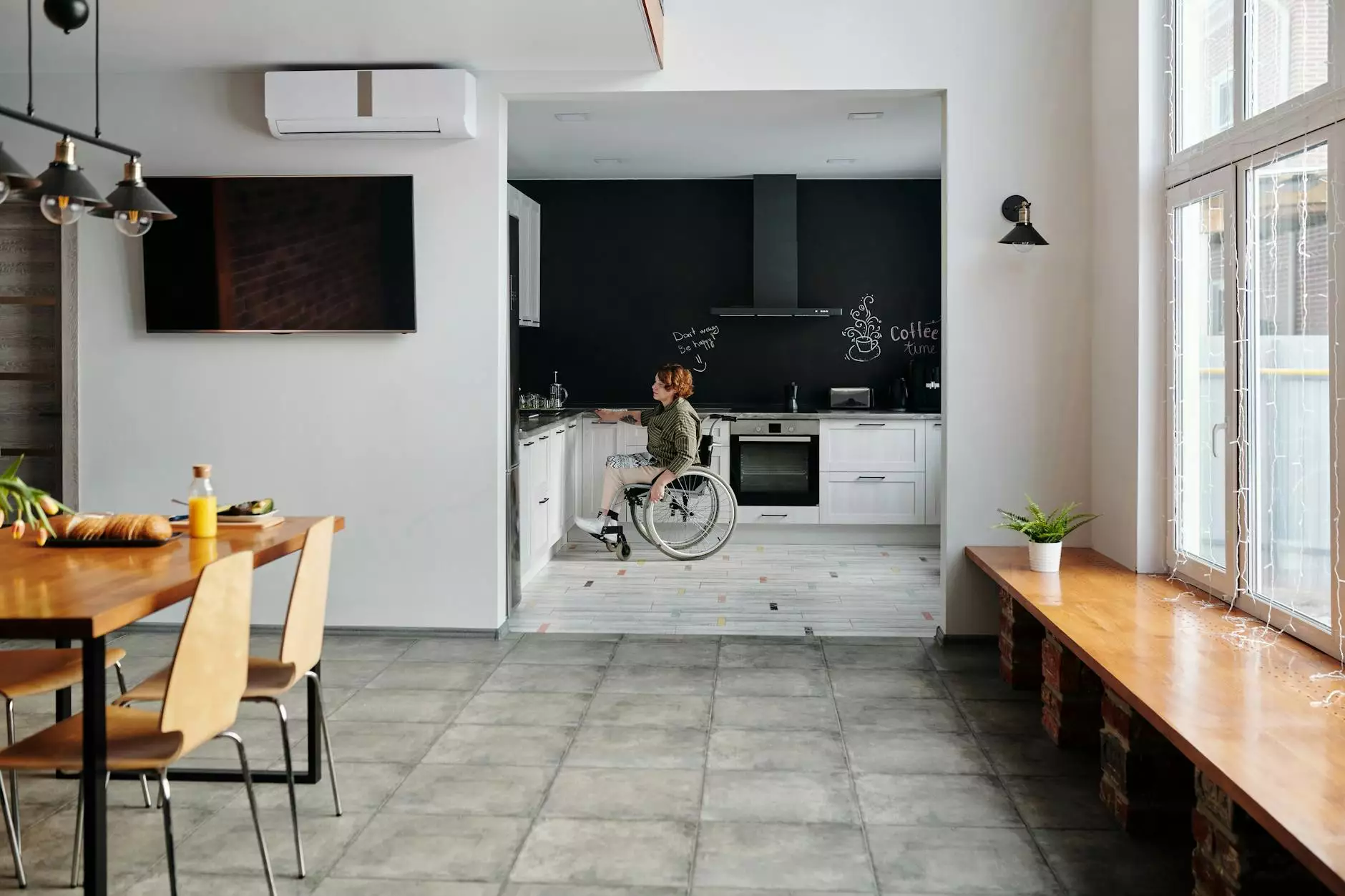
In today's world, accessibility is a fundamental concern that impacts the lives of countless individuals. This is especially true for those with mobility challenges. One of the most significant contributions to improving accessibility is the emergence and proliferation of handicapped lifts. These devices not only facilitate ease of movement but also play a crucial role in promoting independence and dignity for users. Let’s explore the various facets of handicapped lifts and their impact on personal care services, home health care, and elder care planning.
Understanding Handicapped Lifts
A handicapped lift is a specialized device designed to assist individuals with mobility difficulties, allowing them to navigate different levels within a building. Unlike traditional elevators, these lifts are typically more compact and tailored to fit residential or commercial environments where standard lifts may not be feasible. Handicapped lifts can be installed indoors or outdoors, and they serve various purposes including:
- Vertical movement: Helping users move between different floors in homes or public places.
- Access to facilities: Enabling access to public amenities, retail establishments, and services that were previously unreachable.
- Independence enhancement: Allowing users to maintain their independence by reducing reliance on caregivers or assistance.
Why Handicapped Lifts are Essential for Personal Care Services
For personal care service providers, ensuring accessibility for clients is paramount. Handicapped lifts directly support this mission. Here are several reasons why:
1. Promoting Autonomy
Individuals receiving personal care often desire to maintain their independence. The installation of a handicapped lift can significantly enhance their ability to move freely within their own homes or in care facilities. This autonomy fosters a sense of dignity and improves the overall quality of life for users.
2. Safety and Reliability
Safety is a crucial factor for both caregivers and clients. Handicapped lifts are designed with advanced safety features, including:
- Emergency stop buttons: Allowing users to halt the lift if necessary.
- Safety sensors: Preventing the lift from moving if an obstruction is detected.
- Secure harnesses: Ensuring users are safely secured during transit.
By using handicapped lifts, personal care services can minimize the risk of accidental falls or injuries, which are especially dangerous for individuals with mobility issues.
3. Compliance with Accessibility Laws
Many regions have specific laws and regulations that mandate accessibility in public and private buildings. Implementing handicapped lifts not only helps service providers comply with these regulations but also positions them as leaders in compassionate care.
Enhancing Home Health Care with Handicapped Lifts
In home health care, the objective is to provide care in the most comfortable environment possible. The integration of handicapped lifts into homes empowers both caregivers and clients. Below are ways in which these lifts enhance home health care:
1. Facilitating Caregiver Duties
Home health caregivers often face challenges with transporting clients, especially those who are unable to navigate stairs. Handicapped lifts ease the physical strain on caregivers, allowing for smoother transfers between floors, thereby improving the efficiency of care. By relying on these lifts, caregivers can dedicate more time to the actual health care tasks rather than negotiating physical barriers.
2. Creating a Safe Environment
Handicapped lifts contribute to creating a safer home environment for individuals with mobility challenges. When clients can move between levels without assistance, the chance of accidents is greatly reduced.
3. Customizability and Aesthetics
Modern handicapped lifts come in various designs, allowing for customization that matches the home’s decor. This aspect ensures that accessibility does not compromise style, offering a seamless addition to the home while maintaining functionality.
Handicapped Lifts in Elder Care Planning
The aging population faces unique challenges, and elder care planning must address the need for mobility solutions. Handicapped lifts play an integral role in this planning for several reasons:
1. Long-term Investment in Accessibility
Planning for the future is essential as mobility issues may arise with age. Investing in a handicapped lift is a proactive measure that ensures a home remains accessible for aging individuals, minimizing future renovations or adaptations.
2. Enhancing Social Interaction
Elders who can easily navigate their homes are more likely to engage in social activities, which is vital for mental health and overall well-being. Handicapped lifts enable them to host family gatherings or participate in community events without barriers.
3. Supporting Family Dynamics
Family members can also benefit from the integration of handicapped lifts. When loved ones can visit without the concern of accessibility issues, relationships flourish, leading to improved emotional health for both seniors and their families. Caring for elders in a home equipped with a handicapped lift is easier and can deepen family bonds.
Conclusion: A Commitment to Accessibility and Quality of Life
In conclusion, handicapped lifts are more than just mechanical devices; they represent a crucial facet of accessibility that champions the independence of individuals with mobility challenges. Whether in personal care services, home health care, or elder care planning, these lifts contribute significantly to enhancing quality of life.
At Express Ramps, our commitment to improving accessibility is unwavering. We understand the needs of individuals who require mobility solutions and strive to provide the best products and services available. Explore our range of handicapped lifts and discover how we can help redefine accessibility in your life today!